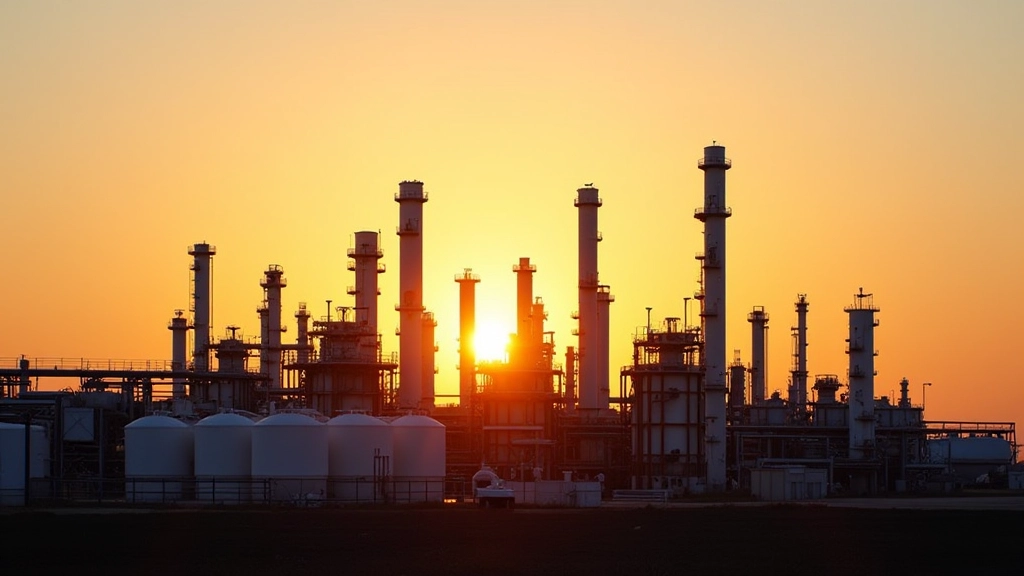
Mining Sector Trends: What’s Driving Canada’s Extraction Industry
Explores how global demand, environmental regulations, and technology are reshaping Canada’s mining landscape and employment patterns across provinces.
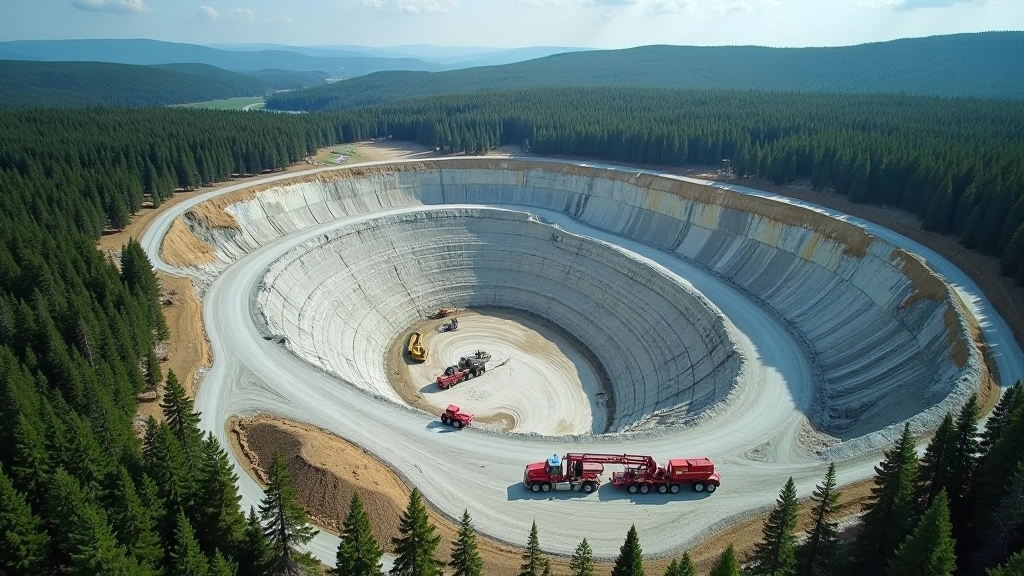
Canada’s Mining Sector at a Crossroads
Canada’s mining industry isn’t what it was even a decade ago. The landscape has shifted dramatically — global commodity prices fluctuate with geopolitical tensions, environmental regulations tighten by the year, and new technologies promise to transform extraction methods. Mining contributes roughly $70 billion annually to Canada’s GDP and employs over 300,000 workers directly, yet the sector faces pressure from multiple directions simultaneously.
Understanding what’s happening in Canadian mining means looking at three major forces reshaping the industry right now: global supply chains recovering unevenly, stricter environmental standards, and a technological revolution that’s redefining how companies operate. We’ll explore each of these trends and what they mean for the future of resource extraction across provinces like British Columbia, Ontario, and Quebec.
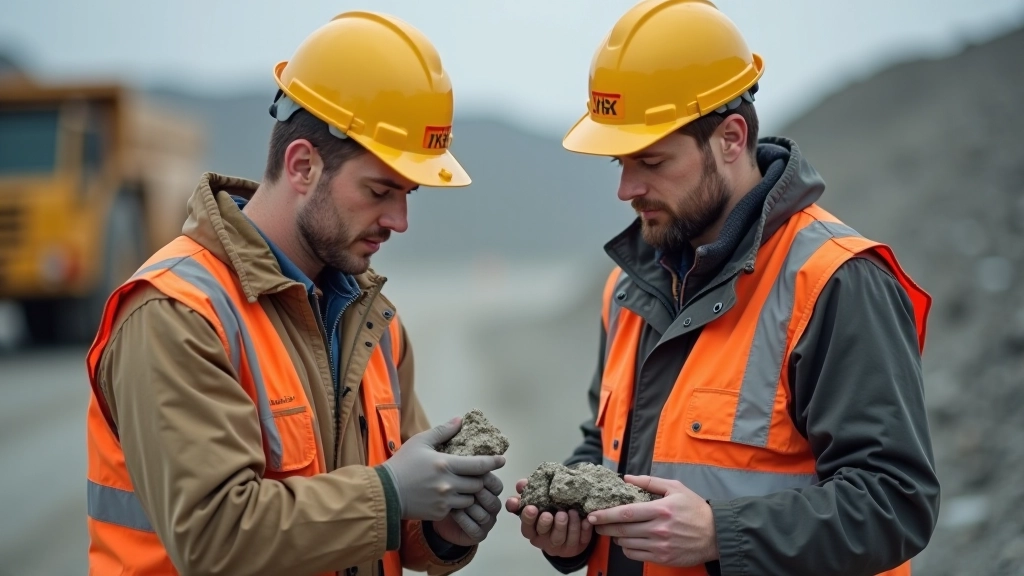
Trend 1: Global Demand Driving Commodity Cycles
Here’s what’s really happening with commodity prices — they’re not following the patterns we saw in the 2000s. Battery technology is reshaping demand for lithium, nickel, and cobalt. Electric vehicle production jumped 35% globally in 2025 alone, which means mining companies aren’t just extracting these metals anymore; they’re competing to become the preferred supplier for the EV revolution.
Canadian miners are positioned well for this shift. Lithium deposits in Ontario and Quebec represent some of North America’s best reserves. But here’s the catch — building new mines takes 7-10 years from exploration to production. Companies must decide now whether to invest in expansion, knowing demand could shift again. This uncertainty shapes investment decisions across the sector, affecting job creation and provincial economies.
Iron ore demand from China remains steady but volatile. Canada exports roughly 35 million tonnes annually, mostly from the iron ranges of Newfoundland and Labrador. When Chinese manufacturing slows, Canadian mines feel it immediately through reduced orders and lower prices.


Trend 2: Environmental Regulations Creating New Standards
Environmental compliance isn’t a side issue anymore — it’s central to mining operations. Provincial governments and Indigenous communities now have stronger voices in project approvals. Canada implemented stricter tailings management regulations in 2024, requiring companies to redesign waste containment systems across active and legacy operations.
What does this mean practically? Mining companies spend 15-25% of operational budgets on environmental management and remediation. Smaller operations struggle more with compliance costs than major producers like Barrick Gold or Teck Resources, which have the capital to invest in advanced treatment technologies. This creates consolidation pressure — smaller players get acquired or shut down.
Water management is the biggest challenge. Mining operations require massive quantities of fresh water for extraction and processing. In regions like northern Ontario, where communities depend on the same water sources, conflicts arise between mining interests and local water security. Companies are responding with closed-loop water systems that recycle 80-90% of usage, but implementing these systems demands upfront investment.
Trend 3: Technology Transforming Extraction Methods
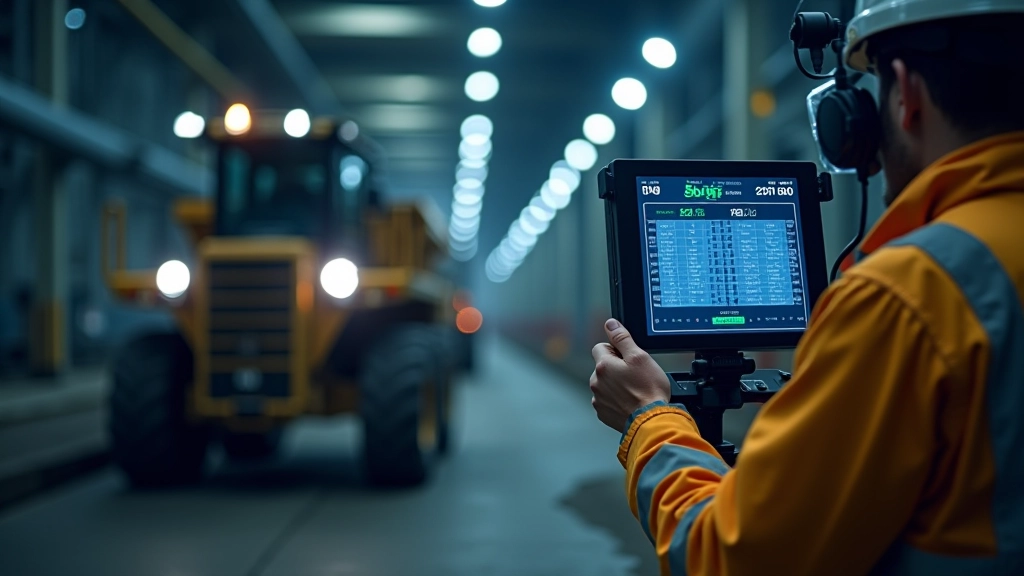
Automation and AI aren’t coming to mining — they’re already here. Autonomous haul trucks operate at several Canadian mines, reducing the need for equipment operators while improving safety. Drones survey mining sites, identify ore concentrations, and monitor environmental conditions faster than traditional methods. This technology cuts operational costs by 10-15% while reducing worker exposure to hazardous conditions.
The real innovation, though, involves processing. Heap leaching and solvent extraction techniques have improved dramatically. New sensor technology identifies mineral compositions in real-time, allowing operations to adjust processing parameters instantly. Companies like Teck implemented AI-driven predictive maintenance, reducing unplanned downtime by 20%.
But technology creates workforce challenges. Mining employment in Canada has shifted. Skilled operators for automated equipment earn $70,000-$95,000 annually, while traditional manual labor positions decline. Training programs in provinces like Alberta and Saskatchewan now emphasize technical skills — programming, data analysis, equipment maintenance — rather than pure extraction labor.
How These Trends Play Out Across Provinces
British Columbia
Copper and coal dominate. Teck’s Highland Valley Copper mine is Canada’s largest copper producer. Environmental pressure increases here — First Nations’ land rights and climate commitments push companies toward cleaner extraction. Coal mining faces the toughest headwinds, with global coal demand declining.
Ontario
Lithium becomes the growth story. New deposits near Thunder Bay and Timmins attract billions in investment. Nickel mining remains substantial, though lower nickel prices challenge profitability. Indigenous partnership models gain importance as communities shape development terms.
Quebec
Rare earth elements and lithium reserves position Quebec for critical mineral supply chains. The province benefits from abundant hydroelectric power, reducing processing costs. Environmental regulations here are stringent, particularly regarding water management in the north.
Newfoundland & Labrador
Iron ore dominates the economy. Global iron prices affect provincial revenue directly. Mineral diversity remains limited, making the economy vulnerable to commodity cycle downturns. Exploration for new deposits continues.
What This Means for the Future
Canada’s mining sector isn’t declining — it’s transforming. The forces reshaping extraction are creating both challenges and opportunities. Companies that adapt quickly will thrive; those that resist change will struggle.
Battery Metals Are the Future
Lithium, nickel, and cobalt investments will accelerate. Companies that secure these reserves now position themselves for decades of demand growth.
Environmental Compliance Is Mandatory
Regulatory costs will only increase. Companies must build environmental management into project planning from day one, not as an afterthought.
Automation Reshapes Workforce Needs
Traditional mining jobs decline while technical roles expand. Workers need skills in data analysis, equipment operation, and maintenance — not just physical labor.
Consolidation Accelerates
Smaller operations struggle with compliance and technology costs. Expect more acquisitions as larger companies absorb smaller players’ assets and expertise.
Explore Related Resources
Understanding mining trends helps you grasp Canada’s broader resource economy and commodity cycles that drive national growth.
Read About Oil and Gas GDPImportant Disclaimer
This article provides educational information about trends in Canada’s mining sector and is intended for informational purposes only. The analysis reflects current market conditions as of March 2026 but market dynamics, regulatory environments, and commodity prices change constantly. The information here is not investment advice, financial guidance, or a recommendation to buy or sell any securities or commodities. Anyone interested in mining investments, employment in the sector, or policy advocacy should consult with relevant professionals — financial advisors for investment decisions, industry experts for operational insights, and legal specialists for regulatory compliance. Mining operations involve complex environmental, social, and economic considerations that vary by location and project. This content provides general context, not specific guidance for individual circumstances.