Mining Sector Trends: What’s Driving Canada’s Extraction Industry
Explores how global demand, environmental regulations, and technology are reshaping Canadian mining operations and investment patterns.
Read MoreHow oil, natural gas, and mineral price swings reshape regional economies, investment flows, and the Canadian dollar

Canada’s resource sector isn’t just about extraction—it’s the backbone of regional economies across Alberta, British Columbia, Saskatchewan, and Newfoundland. When oil prices swing from $80 to $40 per barrel, or when nickel futures jump 30% in weeks, the consequences ripple far beyond commodity markets.
These price movements affect everything: employment in mining towns, government revenue for provincial budgets, currency valuations that influence exports, and investment decisions that shape the next decade of resource development. Understanding these connections is crucial for anyone tracking Canada’s economic health.
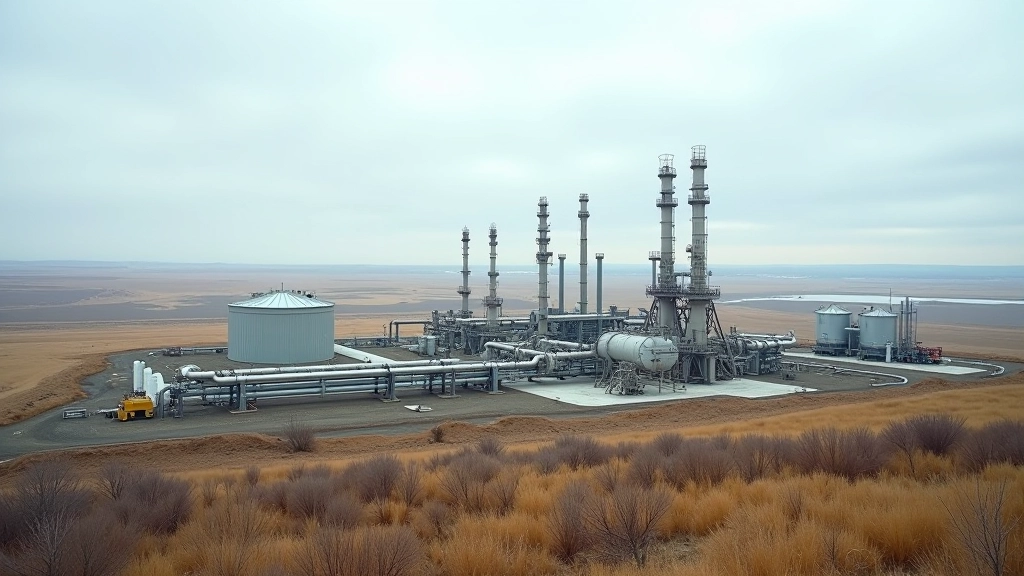
Commodity prices aren’t random. They’re shaped by genuine supply and demand forces—but the swings can be dramatic. Global production disruptions, geopolitical events, currency fluctuations, and shifts in demand from major buyers like China all play roles.
Oil prices depend heavily on OPEC decisions and US shale production levels. Natural gas responds to weather patterns (cold winters drive heating demand) and global liquefied natural gas competition. Metals like copper, nickel, and gold track manufacturing cycles and investor sentiment. Canada’s producers can’t control these factors—they’re price takers in global markets.
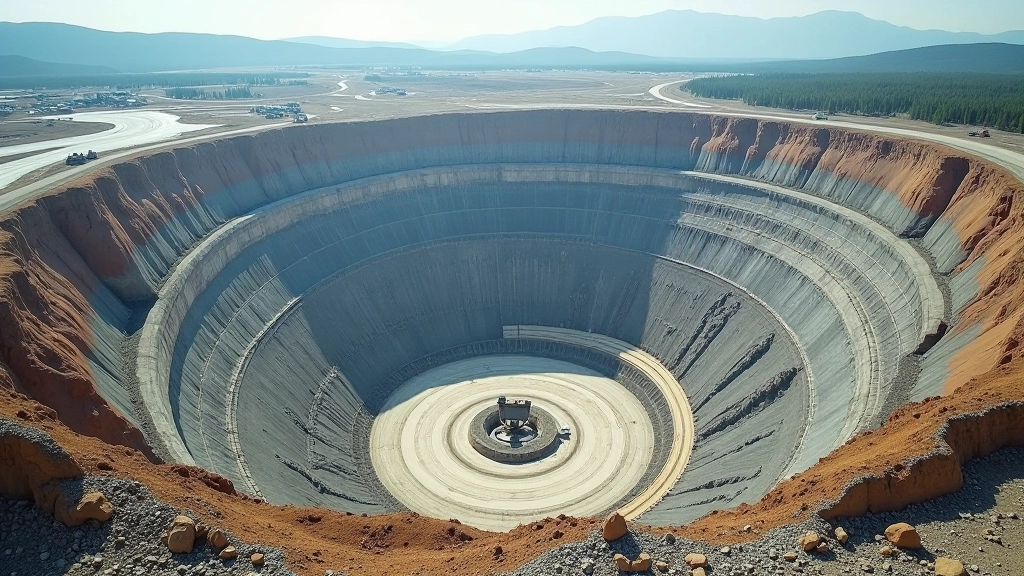
Different provinces depend on different commodities, so price volatility hits them unequally
Oil price drops of just $10/barrel can mean billions in lost provincial revenue. When prices fell to $35 in 2020, Alberta’s budget deficit exploded. Employment in oil services, construction, and supporting industries contracts quickly. The province collects less corporate tax and royalties, forcing spending cuts or higher income taxes.
BC exports liquefied natural gas to Asia. Global LNG prices fluctuate with weather, competing producers, and energy demand. When prices spike, the province benefits—but downturns hit hard. The LNG sector employed 5,000+ workers at peak, but faces headwinds from price weakness and climate concerns.
Potash prices track global agriculture cycles. Strong crop prices mean more fertilizer demand. During commodity downturns, Saskatchewan’s mining sector contracts. The province hosts two major potash producers that together export over 10 million tonnes annually—price moves matter significantly here.
Newfoundland’s Hibernia oil platform and iron ore mines make the province highly sensitive to commodity cycles. Lower oil prices have delayed development projects. Iron ore prices affect Labrador’s mining operations. Both volatility and actual price levels reshape provincial finances and employment.

Here’s something crucial: the Canadian dollar moves with oil prices. When oil rises, the loonie strengthens. When oil falls, the Canadian currency weakens. This relationship isn’t perfect, but it’s real enough that traders watch it closely.
Why? Because Canada’s major export is crude oil. A stronger Canadian dollar makes our exports more expensive for foreign buyers (bad for exporters), but it makes imports cheaper (good for consumers). A weaker dollar boosts export competitiveness but raises import costs. Manufacturers and exporters outside the energy sector navigate these shifts constantly.
Between 2014 and 2016, oil’s collapse from $100+ to under $40 sent the Canadian dollar down 30% against the US dollar. That single move reshaped competitive dynamics across manufacturing, agriculture, and services. Businesses had to adjust pricing, hedging strategies, and investment plans.
Commodity volatility affects investment decisions that shape Canada’s resource future. Major projects—like tar sands developments, LNG terminals, or mining expansions—require billions in capital and 5-10 year payback periods.
When prices are high, companies greenlight expansion projects. When prices crash, they shelve plans and cut budgets. This boom-bust cycle means infrastructure investment isn’t smooth or predictable. A project approved at $80 oil might be cancelled at $50 oil, leaving partially built facilities and idle workers.
“Volatility creates uncertainty, and uncertainty kills investment. Companies need stable price forecasts to justify major capex. When prices swing wildly, boards become cautious.”
This affects employment patterns too. During boom phases, resource companies hire aggressively—driving up wages in resource-dependent towns. During downturns, layoffs are swift and deep. Communities built around single industries (like oil-dependent towns in Alberta) experience real hardship during price collapses.
Companies and provinces develop strategies to manage inevitable price swings
Companies work to lower production costs so they can remain profitable at lower prices. This means automation, efficiency improvements, and operational discipline. Canadian oil sands operators have cut per-barrel costs significantly over the past decade.
Producers use futures contracts and options to lock in prices and reduce exposure to swings. A mining company might sell future gold production at fixed prices to reduce revenue uncertainty.
Expanding to new markets reduces dependence on single buyers. Canada’s LNG projects target Asian markets rather than just the US. Oil producers export via different routes to reach global markets.
Forward-thinking provinces create sovereign wealth funds and stabilization reserves to cushion downturns. Alberta has worked to diversify its economy beyond oil to reduce volatility exposure.
Commodity price volatility isn’t going away. Global supply-demand imbalances, geopolitical tensions, energy transitions, and financial market dynamics all guarantee continued price swings. For Canada’s resource sector, this means ongoing adaptation and careful planning.
The energy transition adds new complexity. Oil demand may peak as electric vehicles become mainstream—but that transition will take decades, and oil will remain crucial for plastics, chemicals, and heating. Natural gas faces pressure from renewables but remains competitive for baseload power. Metals like lithium, cobalt, and nickel will see growing demand from battery production, creating new volatility dynamics.
What’s clear: Canada’s resource-dependent regions will continue riding commodity cycles. Understanding these patterns—how prices move, what drives them, and how they ripple through our economy—matters for investors, policymakers, and anyone living in resource-dependent communities.
This article provides educational information about Canada’s resource economy and commodity price volatility. It’s designed to help readers understand how global commodity markets affect Canadian regional economies, employment, and government finances. The information presented reflects general economic principles and historical patterns, but specific circumstances vary by region, industry, and time period. Commodity prices and economic impacts change constantly based on global conditions. For investment decisions, business planning, or policy analysis, consult current market data and professional advisors in economics, finance, or relevant sectors.