
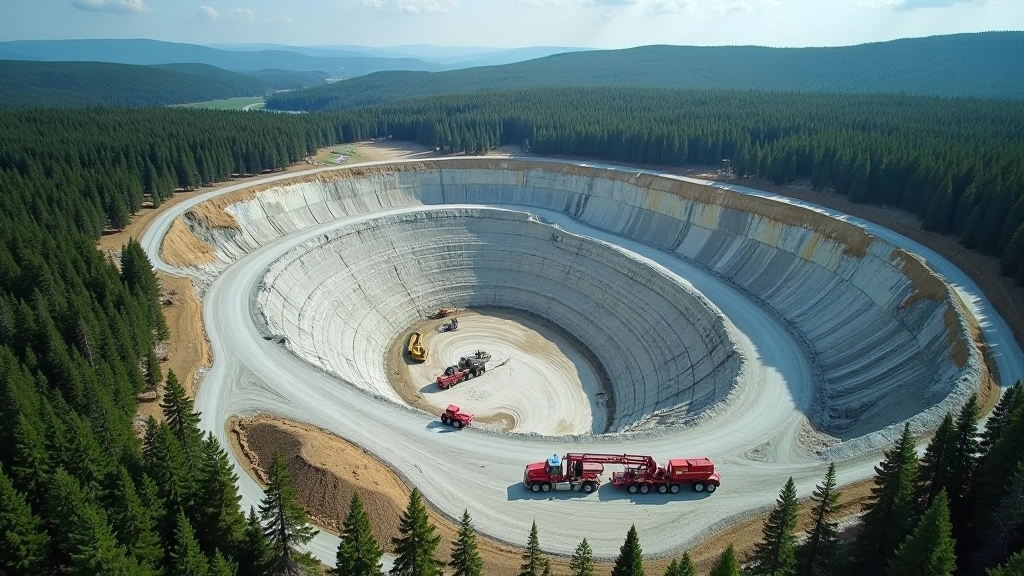
Mining Sector Trends: What’s Driving Canada’s Extraction Industry
Explores how global demand, environmental regulations, and technology are reshaping Canada’s mining landscape and creating new opportunities.
Read ArticleHow supply shocks, demand patterns, and policy decisions shape Canada’s resource economy and the regions that depend on it.

Commodity cycles aren’t mysterious. They’re the natural rhythm of supply meeting demand, sometimes colliding with unexpected shocks. Canada’s economy feels these cycles intensely. When oil prices surge, Alberta thrives. When they plummet, entire regions struggle.
But here’s what’s important: understanding these cycles helps. It reveals patterns that economists, policymakers, and business leaders can’t ignore. It’s the difference between being caught off-guard and being prepared. We’re going to walk through exactly how these cycles form, what makes them turn, and how Canada’s regions navigate the inevitable downturns.

Every cycle moves through distinct phases. Recognizing them is key to understanding what’s happening to Canada’s resource sectors.
Demand grows. Prices climb. Producers expand operations, hire workers, invest in new projects. Mining towns add schools and housing. It feels sustainable — it’s not. This phase typically lasts 3-5 years before warning signs emerge.
The market hits its ceiling. Supply catches up. New capacity comes online globally just as demand softens. Prices flatten. This is the inflection point — few recognize it’s happening. Investors stay optimistic while fundamentals shift.
Prices fall rapidly. Producers cut costs. Projects get shelved. Layoffs accelerate. Communities that grew during boom years face real hardship. This phase is brutal and often longer than expected — sometimes 2-4 years of sustained decline.
Oversupply clears. Demand picks up again. Producers have strengthened balance sheets from the downturn. New investment becomes attractive. Growth returns — but it’s rarely as explosive as the previous boom. The cycle begins anew.
Three main forces push commodity cycles forward. Understanding them helps explain why Canada’s resource regions experience such dramatic swings.
When China’s economy accelerates, it needs iron ore, copper, and coal. Canada supplies these. But when growth slows, demand crashes. That’s not speculation — it’s economic reality. Manufacturing nations drive commodity consumption, and their growth patterns are cyclical.
High prices incentivize production. New mines open. Existing ones expand. But there’s a lag — it takes 5-7 years to develop a major mining project. By the time new supply hits markets, conditions have often changed. That’s why booms turn to busts so suddenly.
Environmental regulations increase production costs. Electric vehicle adoption reduces oil demand. Renewable energy transitions reshape energy markets. These aren’t short-term fluctuations — they’re structural shifts that can end entire commodity cycles or create new ones.
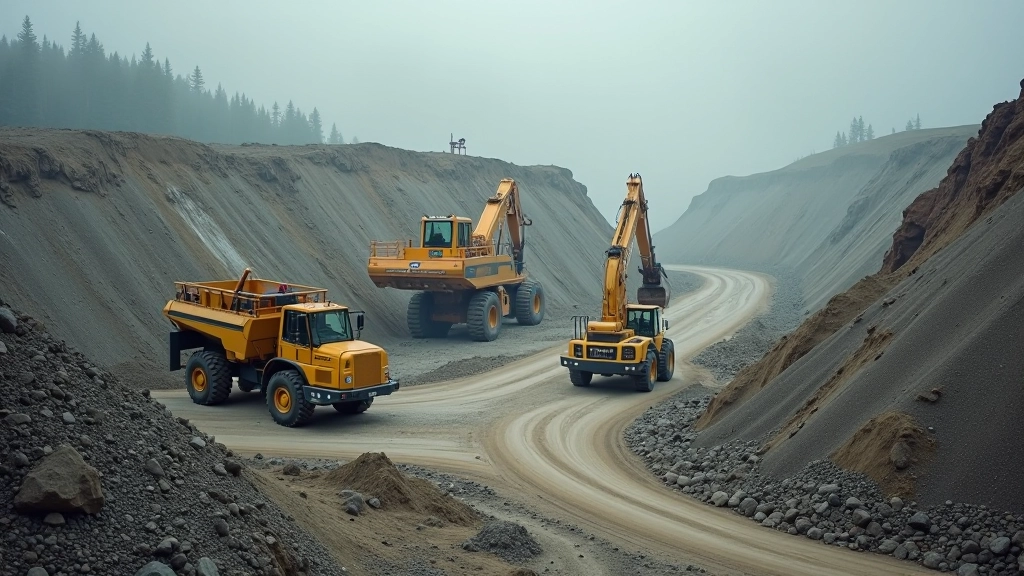
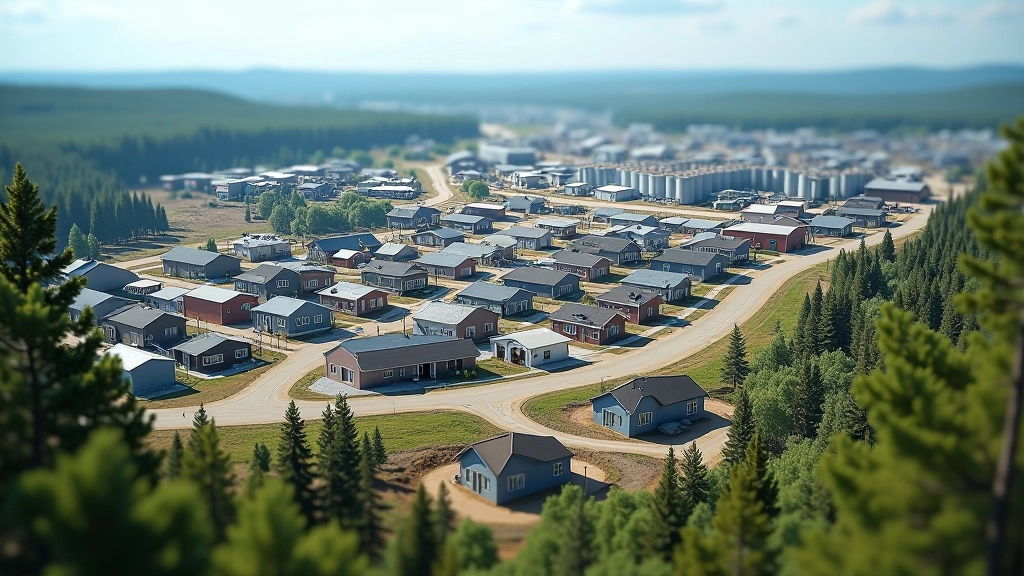
Canada’s resource-dependent regions don’t experience these cycles as abstract economic statistics. They live them. When commodity prices rise, jobs materialize. Workers migrate from other provinces. Real estate booms. Schools expand. When prices crash, the opposite happens with brutal speed.
Take Alberta’s oil and gas sector. It contributes roughly 8% of Canada’s GDP in strong years. During booms, unemployment drops to 4%. During downturns, it spikes to 8-10%. That’s not just numbers — that’s families reconsidering their futures, small businesses closing, and communities shrinking. British Columbia’s mining sector follows similar patterns. Iron ore, copper, coal prices determine whether mines expand or contract.
“The hardest part isn’t the downturn itself. It’s the speed. You can’t plan a community’s future when prices swing 40% in six months.”
— Regional Economic Development Officer, Western Canada
This volatility creates a structural challenge. Schools can’t easily shrink. Hospital services don’t pause during downturns. Social services are needed more when jobs disappear. Yet tax revenues — the primary funding source in resource towns — evaporate during busts. It’s a financial trap that requires long-term planning most commodity-dependent regions struggle to implement.
Smart regions don’t fight commodity cycles — they plan around them.
When revenues flow, invest in sectors beyond commodities. Technology hubs, agriculture, tourism, manufacturing. Alberta’s technology sector grew significantly during oil booms when talent and capital were abundant. That diversification cushions downturns.
Norway’s model shows the way. During oil booms, governments save revenues in stabilization funds. During busts, those funds provide cushion for public services and infrastructure investment. Canada’s approach has been less disciplined, but the principle works.
Counter-cyclical spending — investing in schools, hospitals, and transportation during downturns — keeps employment stable and builds long-term capacity. It’s economically sound but politically difficult. Governments naturally want to cut spending when revenues decline.
Workers with diverse skills transition between sectors more easily. Regions that invest in technical education, vocational training, and continuous learning maintain resilience across cycles. It’s not glamorous, but it’s essential.
Commodity cycles won’t disappear. They’re fundamental to how global markets work. But structural shifts are reshaping them. The energy transition is real — oil demand will plateau and eventually decline. That doesn’t happen overnight, but it’s happening. Simultaneously, clean technology and battery metals (lithium, cobalt, nickel) are creating new commodity cycles with their own boom-bust patterns.
Canada’s competitive advantage remains clear. We’ve got the resources, the capital, and the expertise. But the next cycle will reward regions that prepared during this one. Communities that invested in diversification, built skilled workforces, and saved during booms will weather the next contraction far better than those that didn’t.
The cycle isn’t ending. But understanding it, preparing for it, and planning around it — that’s what separates resilient economies from struggling ones. It’s what transforms boom-and-bust into sustainable growth.
Explores how global demand, environmental regulations, and technology are reshaping Canada’s mining landscape and creating new opportunities.
Read Article
Analyzes how petroleum and natural gas contribute to Canada’s gross domestic product and the economic regions most dependent on energy revenues.
Read Article
Examines how fluctuations in oil, natural gas, and mineral prices ripple through Canada’s regions and affect employment, investment, and growth.
Read ArticleThis article is provided for educational and informational purposes only. The content presents general information about commodity cycles and Canada’s resource economy based on publicly available economic data and industry analysis. It is not investment advice, financial guidance, or economic forecasting. Commodity markets are complex, and actual outcomes depend on numerous factors beyond those discussed here. Economic conditions, policy changes, and global events can significantly alter commodity prices and regional impacts in ways that are difficult to predict. For specific financial decisions or investment strategies related to commodity sectors, consult with qualified financial advisors or economists. Regional economic conditions vary considerably, and generalizations in this article may not apply to all communities or situations.