
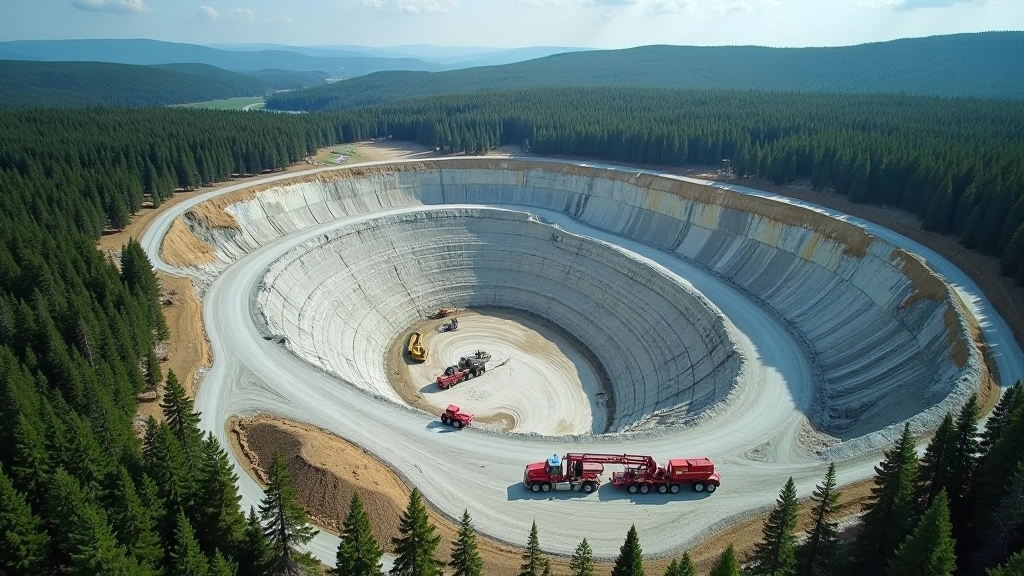
Mining Sector Trends: What’s Driving Canada’s Extraction Industry
Explores how global demand, environmental regulations, and technology are reshaping Canada’s mining landscape and employment patterns across provinces.
Read MoreEducational guides exploring commodity cycles, oil and gas GDP contribution, mining sector trends, and how resource price volatility shapes Canada’s economic landscape.
Dive into Canada’s commodity-driven economy with in-depth analysis and practical insights.
Explores how global demand, environmental regulations, and technology are reshaping Canada’s mining landscape and employment patterns across provinces.
Read More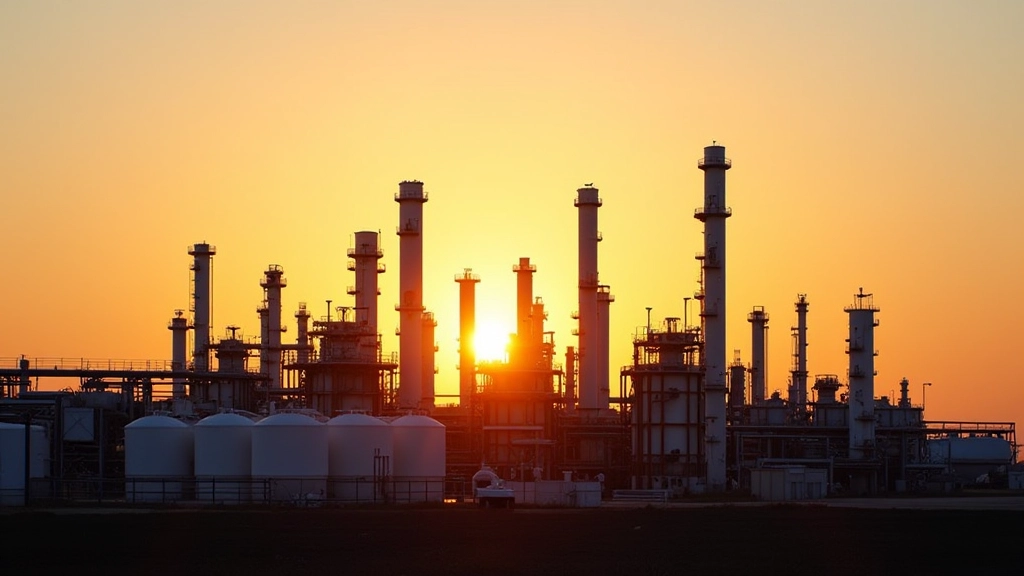
Analyzes how petroleum and natural gas contribute to Canada’s gross domestic product, employment, and government revenue across different economic cycles.
Read More
Examines how fluctuations in oil, natural gas, and mineral prices ripple through Canada’s regional economies, investment patterns, and currency valuations.
Read More
Explains the patterns that drive commodity markets—supply shocks, demand cycles, and policy shifts—and how Canada’s resource-dependent regions navigate economic ups and downs.
Read MoreEssential knowledge for understanding how natural resources shape Canada’s economy
Canada’s economy relies heavily on resource exports, particularly to the United States and China. This dependency creates both opportunity and vulnerability. When commodity prices rise, resource-rich provinces like Alberta and Saskatchewan experience growth. When prices fall, these regions face economic contraction. Understanding this pattern helps explain regional economic disparities and why governments invest in economic diversification strategies.
When resource wealth boosts currency value, other export sectors become less competitive—a phenomenon called “Dutch Disease.” Canada’s strong resource sectors can make manufactured goods exports more expensive internationally. This affects manufacturing hubs like Ontario and Quebec differently than resource-producing regions, creating regional economic tensions and policy debates about currency management.
Commodity prices are set globally, not domestically. Canadian producers of oil, natural gas, and minerals compete in world markets. Price swings driven by OPEC decisions, Chinese industrial output, or geopolitical events directly impact Canadian revenues and employment. Understanding these global connections is essential for predicting economic shifts in resource-dependent communities.
Short-term price swings create year-to-year volatility in government budgets and employment. Longer-term trends—like declining coal demand or increasing lithium needs for electric vehicles—reshape entire industries. Successfully navigating Canada’s resource economy requires distinguishing between temporary cycles and permanent structural changes in global energy and materials markets.
Browse guides organized by sector and economic concept
Guides on petroleum production, pricing mechanisms, export markets, and how energy transitions affect Canada’s oil and gas sector.
Explores precious metals, base metals, rare earth elements, and the environmental and social dimensions of Canadian mining.
Analysis of commodity markets, price formation, speculation, and the factors that drive short-term and long-term price movements.
Examines Canada’s role in global commodity markets, trade partnerships, export competitiveness, and international demand patterns.